
The Art of Minimalist Web Design: Less is Truly More
 By Jane Doe
October 26, 2023
By Jane Doe
October 26, 2023
In the fast-evolving digital landscape, where attention spans are fleeting and competition is fierce, the principle of "less is more" has found a profound resonance in web design. Minimalist web design isn't just a fleeting trend; it's a philosophy that prioritizes clarity, functionality, and user experience above all else. By stripping away non-essential elements, designers can create websites that are not only aesthetically pleasing but also highly efficient and intuitive.
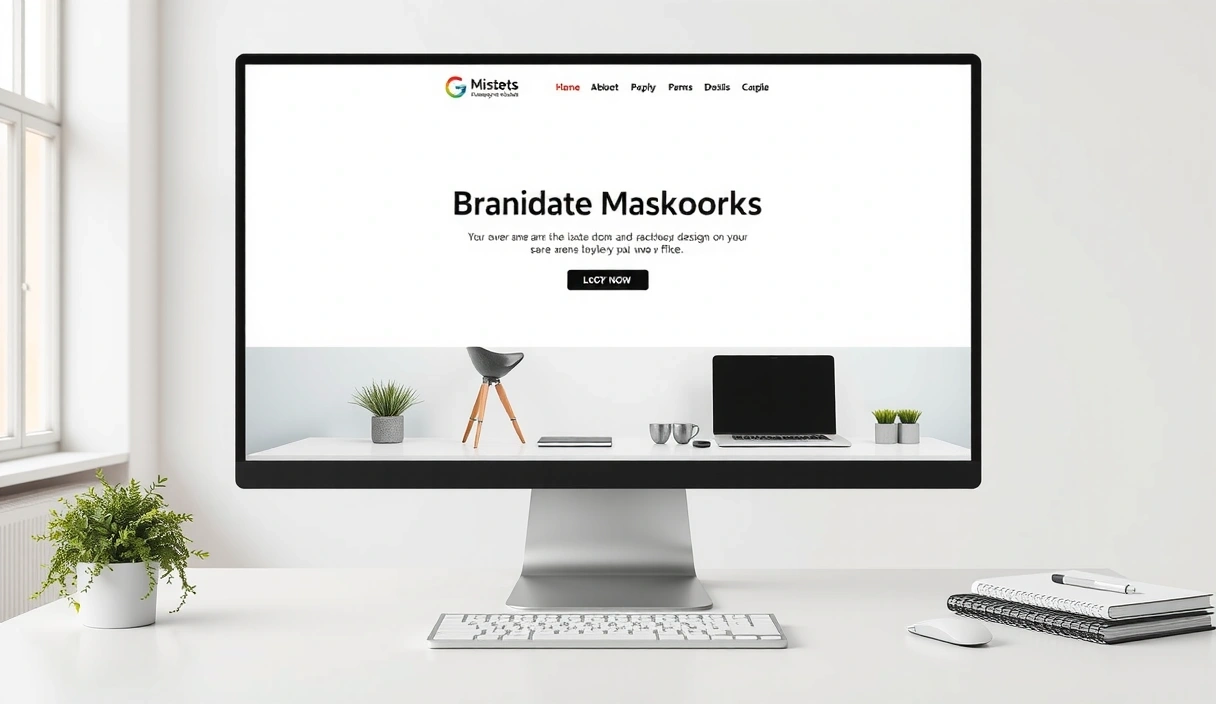
The Core Principles of Minimalism
At its heart, minimalist design is about intentionality. Every element on the page must serve a purpose. If it doesn't contribute to the user's understanding or interaction, it's removed. This disciplined approach leads to several key benefits:
- Enhanced User Experience (UX): With fewer distractions, users can easily find what they're looking for, leading to faster task completion and higher satisfaction.
- Faster Loading Times: Less clutter often means fewer resources to load, resulting in quicker page load speeds – a critical factor for SEO and user retention.
- Improved Responsiveness: Minimalist designs are inherently easier to adapt across various devices and screen sizes, ensuring a consistent experience.
- Stronger Brand Identity: By focusing on core elements, a brand's message and visual identity become more prominent and memorable.
- Higher Conversion Rates: Clear pathways and prominent calls-to-action guide users towards desired outcomes without confusion.
Key Elements of Minimalist Design
Achieving minimalism isn't about emptiness; it's about strategic use of design elements:
- Ample White Space: Also known as negative space, this isn't just empty area; it's a powerful tool that creates visual hierarchy, improves readability, and draws attention to key content.
- Striking Typography: With minimal imagery, typography becomes a central visual element. Carefully chosen fonts, sizes, and weights convey personality and guide the eye.
- Limited Color Palettes: Often restricted to a few primary colors with subtle accents, this creates a cohesive and sophisticated look.
- High-Quality Visuals: While imagery is sparse, the images and icons used are typically high-resolution, impactful, and directly relevant.
- Clear Visual Hierarchy: Through size, color, and placement, designers ensure that the most important information stands out immediately.
- Functional Navigation: Simple, intuitive navigation menus that lead users directly to their destination without unnecessary steps.
"Minimalism is not a lack of something. It's simply the perfect amount of something."— Nicholas Burroughs
Implementing Minimalism Effectively
While the concept seems straightforward, successful minimalist design requires careful planning and execution:
- Content-First Approach: Begin by outlining your core message and essential content. What do users absolutely need to see and do?
- Iterative Simplification: Start with a comprehensive design, then systematically remove elements that don't add significant value. This process often reveals redundancies.
- Focus on Detail: With fewer elements, each remaining detail – from button animations to icon crispness – becomes more critical and noticeable.
- User Testing: Always validate your minimalist design with real users. What seems clear to you might still confuse others.

The Future of Web Design is Clear
As digital experiences become more integrated into our daily lives, the demand for clear, efficient, and enjoyable interactions will only grow. Minimalist web design, by its very nature, is perfectly positioned to meet these demands. It’s not about sacrificing richness but about achieving it through precision and purpose. Embrace the philosophy, and you'll create websites that truly stand out by making an impactful, lasting impression.